
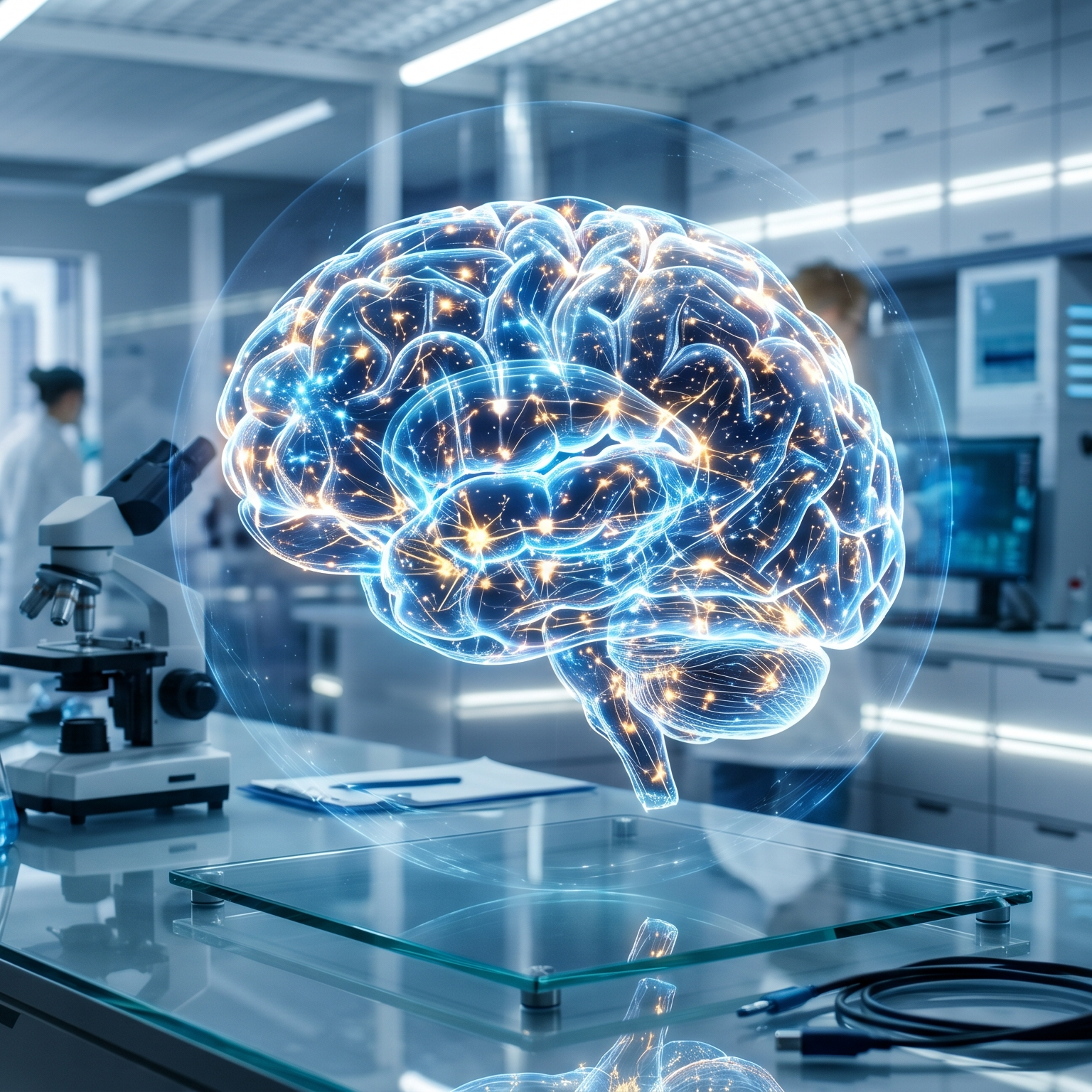
In a world where “brain fog,” chronic stress, and cognitive decline are becoming the norm, many people find themselves trapped between two undesirable options: the slow fade of mental sharpness or the harsh side effects of traditional pharmaceutical stimulants. However, a new class of compounds is emerging from the cutting edge of biotechnology—Nootropic Peptides.
Unlike traditional drugs that often force a temporary surge in neurotransmitters, these short chains of amino acids work as signaling molecules. They speak the brain’s natural language to encourage repair, neurogenesis (the birth of new neurons), and synaptic plasticity.
1. Selank: The Anxiolytic Nootropic
For those struggling with the “anxious fog”—where stress paralyzes focus—Selank has emerged as a revolutionary find. It is a synthetic analog of the naturally occurring peptide tuftsin.
- The Breakthrough: Recent studies indicate that Selank acts through allosteric modulation of the GABAergic system, similar to benzodiazepines but without the risks of amnesia, withdrawal, or dependence.
- Promise: It is particularly effective for those with “neurotic” symptoms, helping to restore delayed conditional reflexes and operative memory that are often suppressed by chronic stress.
2. Semax: The Mental Edge
If Selank is for calm, Semax is for clarity. Originally developed for stroke recovery, Semax has gained a massive following for its ability to boost Executive Function.
- The Finding: 2026 research highlights its “cerebroprotective” effects, which are specifically significant for operative memory—the “RAM” of your brain that handles multitasking and complex problem-solving.
- The Mechanism: It works by increasing the expression of neurotrophins like BDNF (Brain-Derived Neurotrophic Factor), essentially acting as “fertilizer” for your brain cells.
3. P21: The Neurogenesis Powerhouse
While many nootropics protect what you already have, P21 (a derivative of CNTF) is being studied for its ability to help the brain grow.
- The Exciting Result: Unlike many stimulants that offer a temporary “buzz,” P21 focuses on the Cyclin-dependent kinase (CDK) pathways, which are critical for regulating the cell cycle and preventing DNA aging in the brain.
- The Target: It is currently a hot topic for treating neurodegenerative conditions because it mimics the effects of natural neurotrophic factors more efficiently than standard medicines.
4. Bioactive Dietary Peptides: The Gut-Brain Link
New research in 2026 has shifted focus toward Rice Bran and Marine Peptides as a “softer” but highly effective intervention for aging brains.
- The Result: Studies on rice bran peptides show they mitigate neuroinflammation by stabilizing gut microbiota, which in turn improves cognitive function via the gut-brain axis.
- Synergy: Combined peptide therapies (such as Shrimp and Corn peptide ratios) have been shown to elevate BDNF and NGF (Nerve Growth Factor) levels in the hippocampus.
Quick Comparison: Peptide Benefits at a Glance
| Peptide | Primary Benefit | Best For… |
|---|---|---|
| Selank | Anti-anxiety & Mood | Focus under high stress; social anxiety |
| Semax | Executive Function | Mental “RAM”; complex multitasking |
| P21 | Neurogenesis | Long-term repair; anti-aging |
| Rice Bran | Anti-inflammatory | Reducing “Brain Fog” via the gut |
Resource Links & References
Editor’s Note: For more on the science of amino acid chains, check out our Previous Guide on Peptide Basics.
- Selank & GABAergic Neurotransmission (Frontiers in Pharmacology)
- Pharmacological Correction of Amnestic Disorders (Hep Journals, 2025)
- Rice Bran Peptides & Cognitive Health (PMC, 2025)
- P21 Cell Cycle Inhibitory Research (MDPI, 2026)
Disclaimer: Peptides are currently for research purposes only. Always consult with a medical professional before beginning any new protocol, especially those involving cognitive health.